

Related products
-
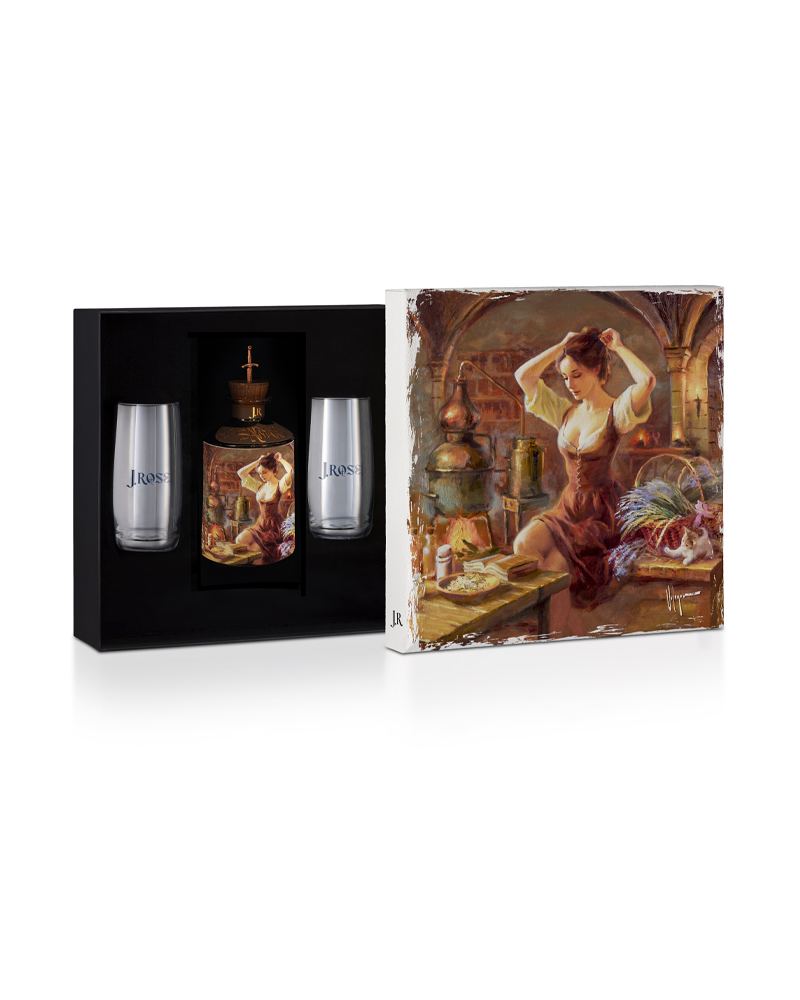
The Secret – Herbal Bitter Liqueur
COD: SA-BV 159,20€1 Sangue Amaro 70cl | 28% ABV
2 Glasses
1 Luxury Box -
La7Vidas Tequila Reposado + Gift BOX
COD: L7V-RM-BOX 213,00€Gift Box with lid canvas + tequila bottle + 2 glasses
-
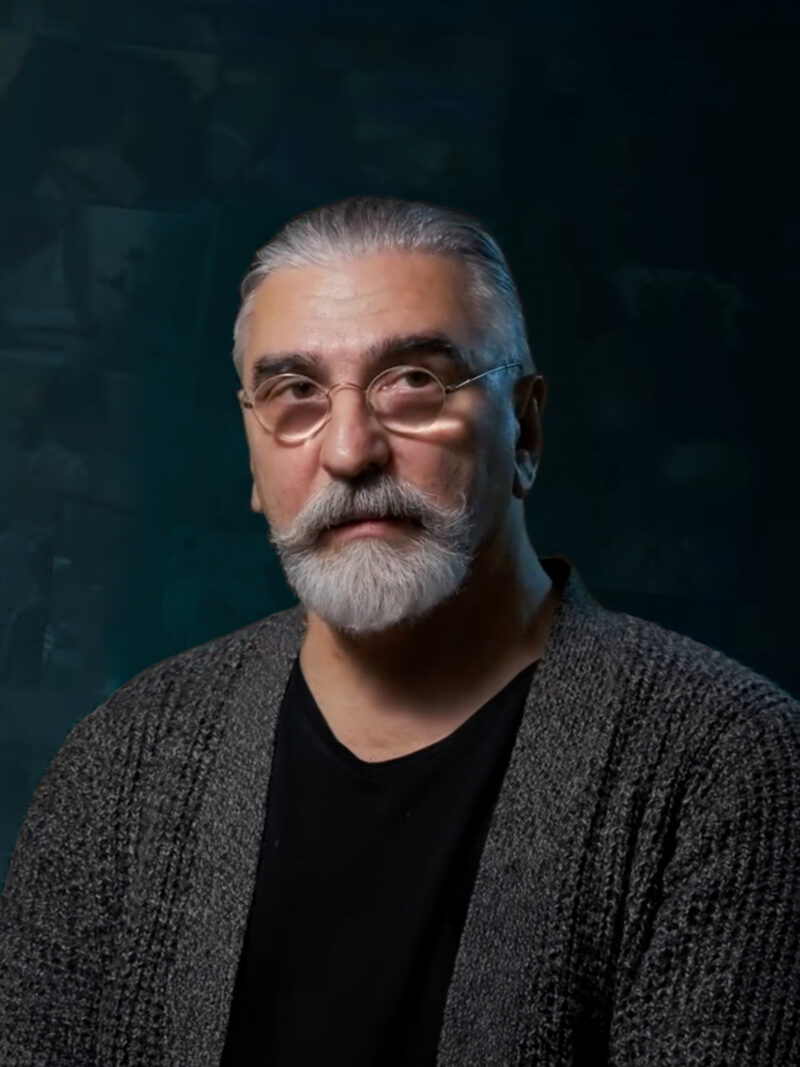
Vladimir VOLEGOV
COD:Born in 1957 in Khabarovsk, in Russia’s Far East, he spent his childhood moving frequently, always supported by the attentive and loving presence of his mother. From a young age, painting was a profound necessity for him—the most natural way to observe, understand, and give form to the world. The care of his mother shaped in him a sensitivity toward the female universe, which would become the heart of his artistic vision.
Women—with their silent strength, tenderness, and wisdom—are an inexhaustible source of inspiration. Through them, he learned that delicacy and sensitivity are profound forms of strength.
During his artistic training, he encountered the great masters of classical painting: Repin and Serov marked his early steps, while Anders Zorn, John Singer Sargent, Giovanni Boldini, and Joaquín Sorolla helped define his language, rooted in the emotional truth of the portrait, the grace of gesture, and light as a carrier of feeling.
He has worked in various fields—from illustration to editorial and digital projects—without ever abandoning painting. Traveling through Europe and creating portraits on the streets of Barcelona, Berlin, and Vienna, he learned to quickly capture the emotional essence of people, refining his way of representing it.
The main themes of his artistic research are women and childhood: capturing intimate moments, he seeks to convey care, tenderness, and love, making emotion visible.
In the early 2000s, his work gained international visibility through collaborations with galleries in Europe and the United States, consolidating a contemporary romantic realism centered on the human figure.
Since 2006, he has lived in Spain, where the light and atmosphere naturally influence his painting. Here his research has become more personal, focused not on formal likeness but on emotional resonance: what remains when time seems to stop.
Today, he continues to work on private commissions and personal projects, faithful to an idea that has always guided him: painting must breathe life, emotion, and humanity. Every work is born as a gesture of admiration and gratitude for the inner beauty of the human being.